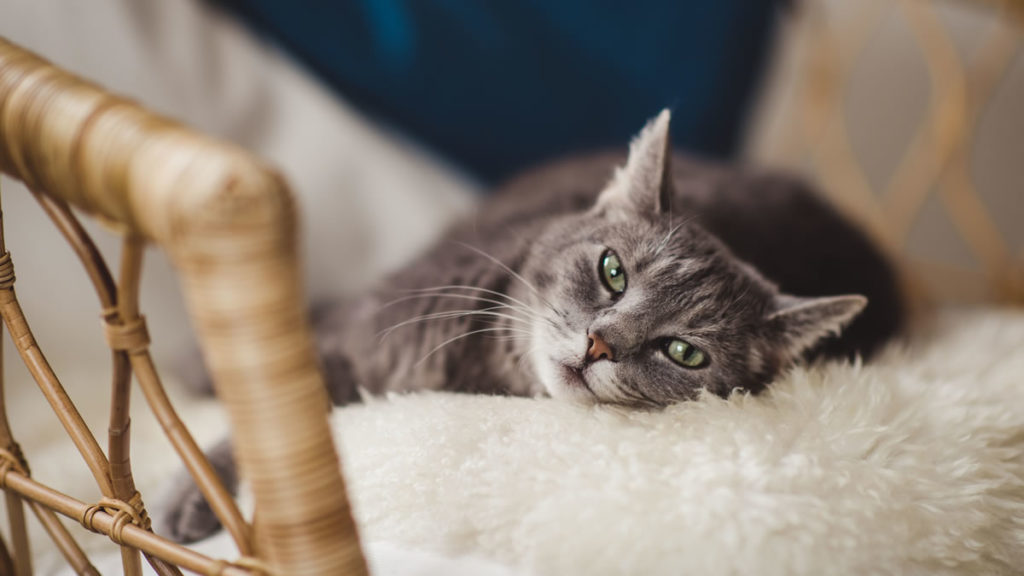
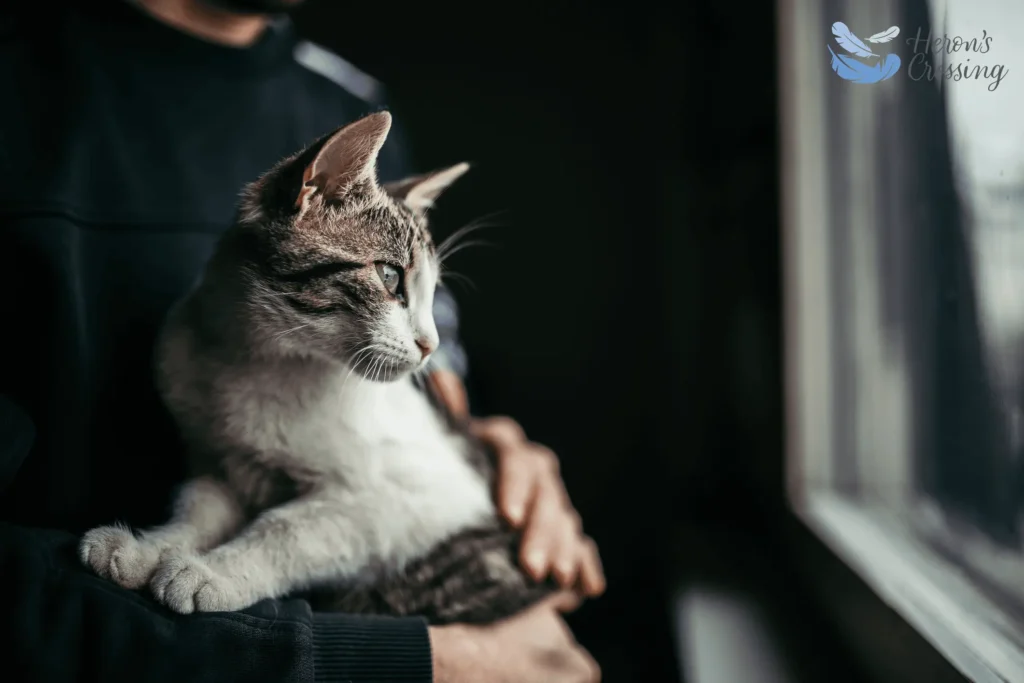
Imagine the sky over your Atlanta neighborhood turning that familiar, heavy shade of green as the sirens begin to wail. In that moment of rising adrenaline, your first instinct is to find your pet, but they may already be hiding or reacting to your own stress. Our pets are more than just animals; they are family members who rely entirely on us to stay calm and safe when the Georgia weather turns unpredictable.
Understanding the "Why" Behind Storm Anxiety
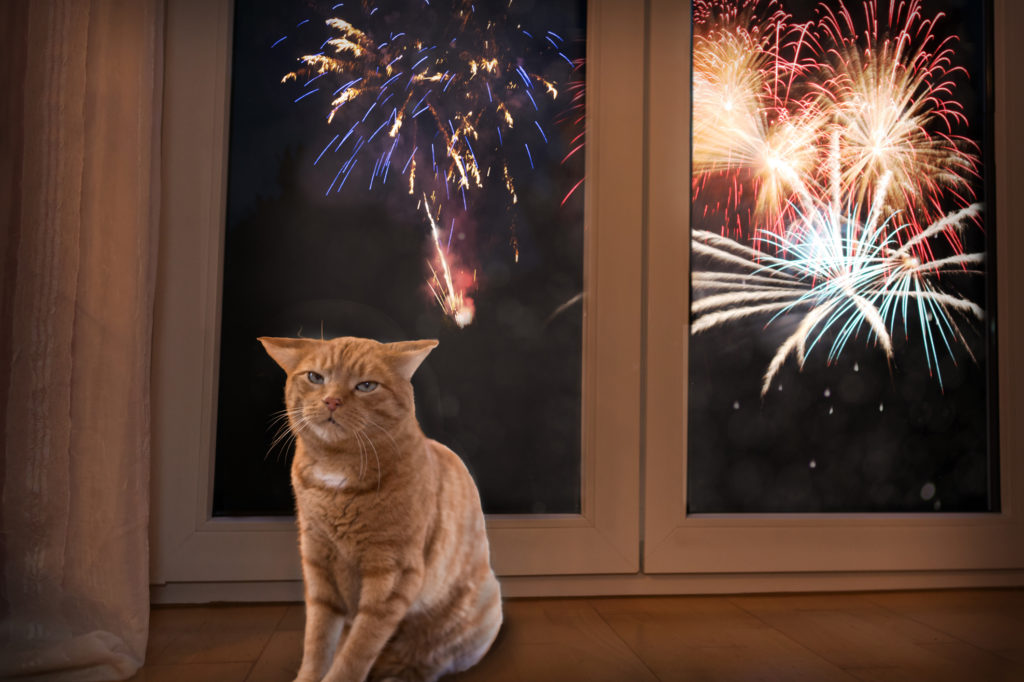
Pets often possess a heightened sensitivity to changes in barometric pressure—the weight of the air around us—and the static electricity that precedes a storm. This means they often sense a tornado long before we hear the sirens.
According to experts at Fear Free Happy Homes, this sensory overload can lead to "storm phobia" or a flight response, causing pets to bolt or hide in inaccessible areas during a crisis. Understanding that their "disobedience" during a storm is actually a physiological fear response allows us to prepare with compassion rather than frustration.
Designate and "Fear Free" Your Safe Zone
Identifying the right spot now saves precious seconds later. We recommend finding the lowest, interior room of your home, away from windows. To help your pet feel secure, turn this into a positive space year-round by offering favorite treats and toys there.
Fear Free Happy Homes suggests using pheromone diffusers or familiar-smelling blankets in this area to provide a sense of security during high-stress alerts. These natural calming signals help lower your pet's anxiety when the wind picks up outside.
Build a Specialized Pet "Go-Bag"
When the weather gets rough, you don't want to be hunting for supplies. The American Animal Hospital Association (AAHA) recommends including a minimum of five days of food, water, and essential medications in your emergency kit.
In addition to the basics, you should pack:
- Physical copies of vaccination records.
- A recent photo of you with your pet to prove ownership if you are separated.
- A first-aid kit tailored for animals.
- Extra leashes or a sturdy carrier.
Practice Your "Storm Drill" with Positive Reinforcement
Training your pet for an emergency shouldn’t be stressful. Using positive reinforcement techniques, like those championed by Victoria Stilwell, you can train your pet to go to their safe spot on cue. Reward them heavily with high-value treats for following the "shelter" command so they associate the safe room with good things.
You can also help desensitize your pet to the sound of sirens by playing them at a very low volume while engaging in high-value play or feeding. Gradually increasing the volume over time helps them remain calm when the real sirens echo through the neighborhood.
Identification and Tech Prep
Ensure your pet’s microchip information is current and that they are wearing a collar with a visible ID tag at all times during storm season. In the event of a damaged fence or a hurried exit, these are the best tools for a happy reunion. Keeping a sturdy carrier or leash right by the safe room entrance is also a great way to avoid searching for equipment when seconds count.
The Atlanta and Georgia Angle
Georgia experiences two distinct peak tornado seasons: the primary spring season (March through May) and a secondary peak in November. Because Atlanta’s "urban forest" can lead to prolonged power outages and blocked roads from downed oaks and pines, ensure your emergency kit includes a manual can opener for pet food and a portable, battery-operated fan to prevent overheating in our humid Georgia weather.
Additionally, check with your local county emergency management agency—such as Fulton or DeKalb EMA—to identify pet-friendly public shelters along your evacuation route.
A Calm Presence for Your Companion
Preparing for the worst is one of the greatest acts of love you can perform for your pet. By taking these small, proactive steps today, you are ensuring that when the clouds gather, you can focus on being the calm, reassuring presence your companion needs. You’re doing a wonderful job keeping your family safe, one drill at a time.
Note: If your pet experiences extreme distress or physical symptoms, such as heavy panting or shaking, during storms, please consult your primary care veterinarian to discuss professional anxiety management options.
Heron's Crossing provides end-of-life care for pets in the Metro Atlanta area. In-home appointments with compassionate vets are available. If you'd prefer a home-like setting away from your home, our Decatur office is also available by appointment.