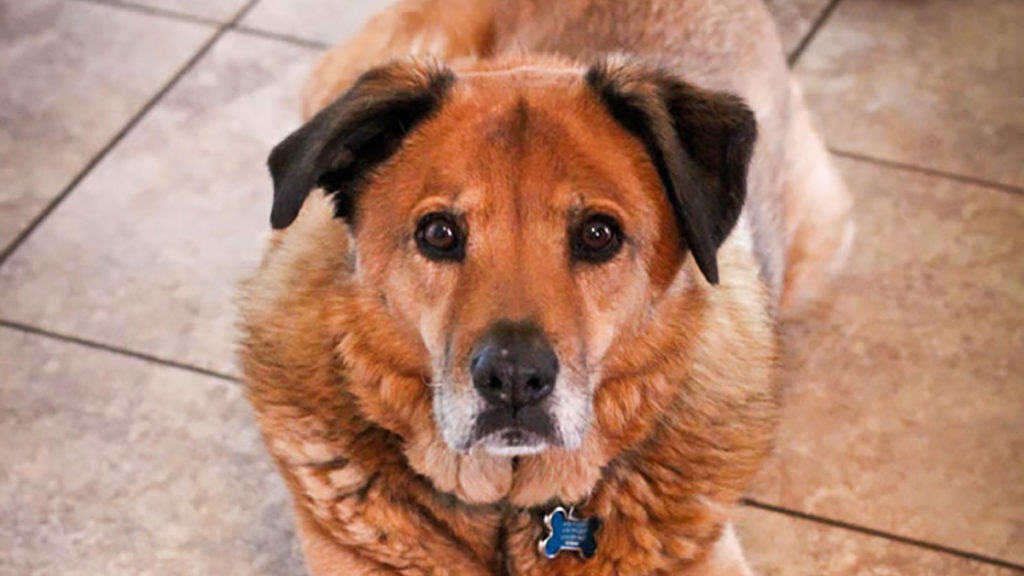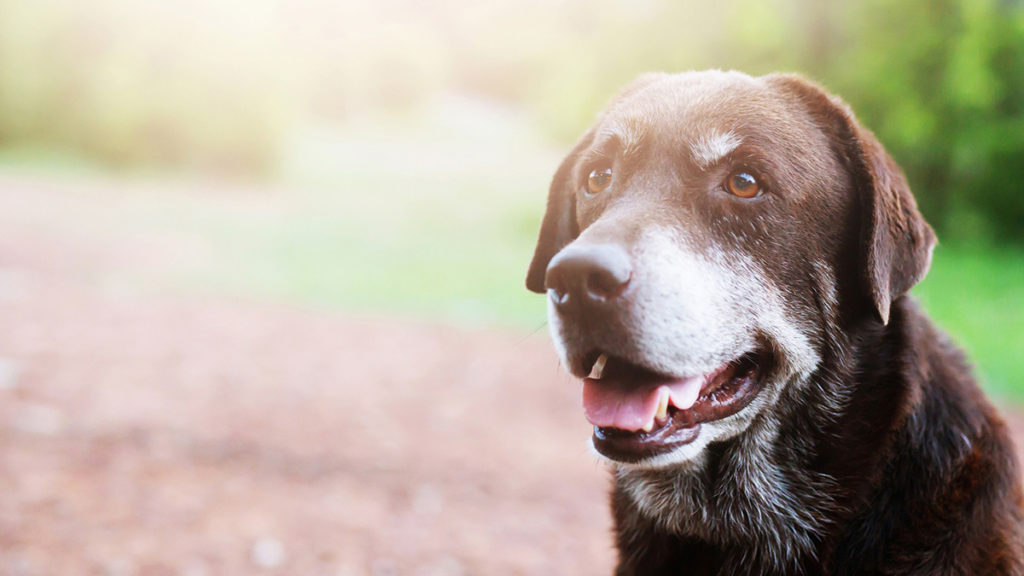

There is a specific moment that tugs at every dog owner’s heart. It might happen at the back of the SUV, or at the bottom of the front porch stairs. You open the door or pat your leg, expecting your enthusiastic pup to bound up like they always have. Instead, you get a look of confusion, or perhaps a hesitation that says, “I’m not sure I can make it.”
It is the moment we realize our “puppies” have become old souls.
When we see our best friends struggle, our immediate instinct is to swoop in and scoop them up. But when your best friend is a 60-pound Labrador or a Great Dane, that instinct hits a physical wall. Lifting a large senior dog isn’t just about strength; it’s about technique and trust. We want to help you be the strength they need without hurting your back or causing them discomfort.
The Science of the “Slow Down”
Before we talk about how to lift, it helps to understand why they need help. As our dogs age, they often experience osteoarthritis, sarcopenia (a fancy medical term for muscle loss), and reduced proprioception (body awareness).
Simply put, their joints may ache, their back legs aren’t as strong as they used to be, and they might not be quite as sure-footed. Improper lifting—like pulling them by the legs or hoisting them under the armpits—can exacerbate joint pain or strain the spine.
Furthermore, we have to look out for you, too. You cannot care for your beloved companion if you injure your own back. Safe lifting protects the human just as much as the hound.
1. Assess Before You Lift
Before you attempt to pick up your dog, pause and ask: Do I absolutely have to lift them?
We always want to minimize stress. In the Fear Free approach to pet care, we look for signs of Fear, Anxiety, and Stress (FAS). If your dog is licking their lips, looking away, or “freezing,” forcing a lift might break their trust.
- Use Tools: Whenever possible, use ramps or pet stairs for cars and furniture. This preserves their independence and saves your spine.
- Positive Association: If a lift is necessary, use a happy, calm voice and pair the approach with high-value treats. We want them to associate your help with good things.
2. The “Towel Test” for Rear-End Weakness
Many senior dogs, particularly German Shepherds and Retrievers, suffer from weakness specifically in their hind legs. They can steer just fine with the front, but the engine in the back struggles to start.
If your dog struggles to rise but can still walk:
- The Technique: Take a rolled-up bath towel or a commercially available mobility sling and loop it under their abdomen, just in front of the back legs.
- The Assist: Gently lift upward to support their hips while they walk. Think of it like a “wheelbarrow” assist.
- Why It Works: This is often much safer and more dignified than a full lift. It allows your dog to maintain their autonomy while you provide just enough boost to get them moving.
3. The “Scoop” Technique (The Solo Lift)
If you must lift your dog completely off the ground and you are doing it alone, body mechanics are everything.
- Get Low: Squat deeply. Do not bend at the waist. Keep your dog close to your center of gravity to engage your core muscles.
- Hand Placement:
- Arm 1: Wrap around the chest/sternum, right between the front legs.
- Arm 2: Scoop behind the rump or under the abdomen. Note: Be careful not to put pressure on the stomach if they have a full bladder or belly pain.
- The Lift: Stand up by driving through your heels and using your leg muscles, keeping your spine straight. Never lift a dog by their front legs or armpits, as this can strain the shoulder joints.
4. The Two-Person Transfer
If you have a giant breed (like a Mastiff or Saint Bernard) or if the dog is simply too heavy for you (generally over 40-50 lbs is a good threshold), do not be a hero. Call a family member or neighbor.
- Coordinate: One person supports the chest and neck (the front end), while the other supports the abdomen and hips (the back end).
- Communicate: Count “1-2-3” out loud so you lift simultaneously. This prevents twisting the dog’s spine or dropping one end.
Atlanta Challenges: Humidity and Historic Homes
Living here in Georgia presents a few unique challenges for our senior dogs.
First, we have our beautiful historic neighborhoods like Grant Park and Virginia Highland. While we love those charming bungalows, they often come with steep “stoops” or high front porches that are mountains for a senior dog to climb. If you live in one of these homes, consider installing a temporary ramp over the steps or using a “Help-Em-Up” harness that has a handle on the back for daily stair navigation.
Second, we can’t forget the Georgia heat. The humidity here can cause senior dogs to fatigue much faster than they used to, leading to heat exhaustion. A long walk on the BeltLine might end with a collapse where they physically cannot walk home. Keep summer walks short and close to home to avoid getting stranded far from the car with a heavy, immobile dog.
A New Language of Love
Adapting your physical interactions is simply a new language of love for your senior dog. By learning to lift safely or assist them with a sling, you become their reliable strength when their own legs fade. It deepens the bond you share.
If you notice you are having to lift your dog more frequently, or if they yelp or flinch when you touch certain areas, please reach out to your primary care veterinarian. A “Pain and Mobility” assessment can open up wonderful options for pain management to keep your friend comfortable on their feet for as long as possible.
Heron’s Crossing provides end-of-life care for pets in the Metro Atlanta area. In-home appointments with compassionate vets are available. If you’d prefer a home-like setting away from your home, our Decatur office is also available by appointment.