
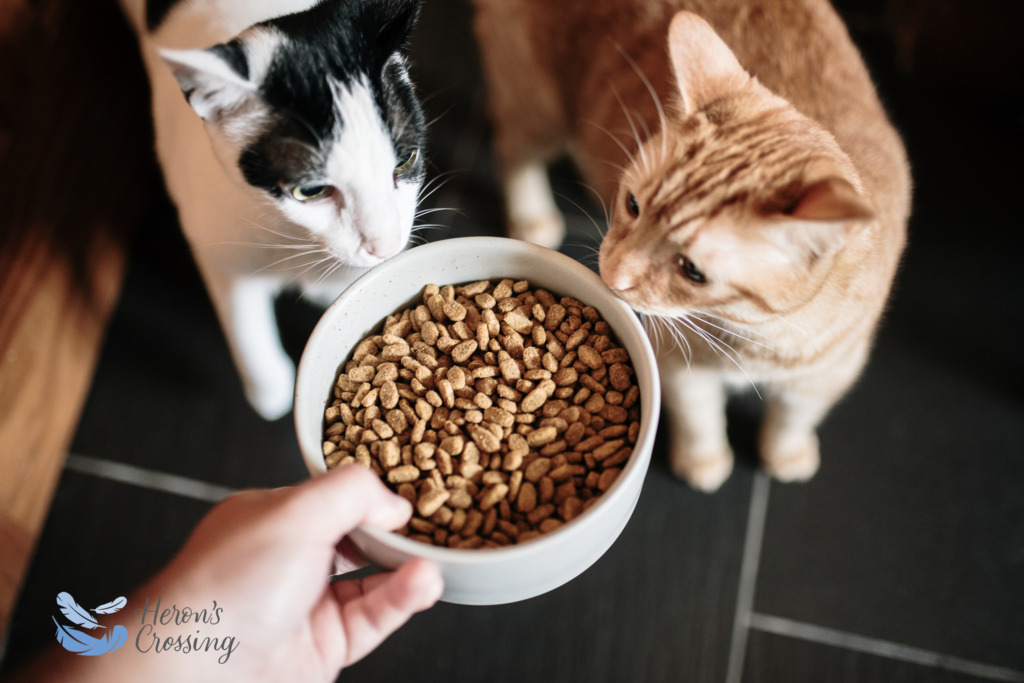
Imagine your kitten as a tiny, high-performance athlete. One moment they are a blurring streak of fur chasing a shadow across your living room, and the next, they are sound asleep in your lap. This incredible energy, paired with the fact that they are building bone, muscle, and brain tissue simultaneously, means their “fuel” must be exactly right to support the unique bond you are building.
The Science of Growth
Kittens are not just “small cats”; they are biologically distinct. According to the American Animal Hospital Association (AAHA), kittens require a much higher caloric density and increased levels of calcium, phosphorus, and Vitamin D compared to adults to support their rapid skeletal development.
Their developing brains also require DHA (an omega-3 fatty acid) for cognitive and retinal development. These are the very nutrients that help your kitten learn the sound of your voice and navigate their new world with confidence.
Look for the “Growth” Label
The most reliable way to ensure a food is safe and effective for your kitten is to check the Association of American Feed Control Officials (AAFCO) statement on the packaging.
- The Goal: Look for a phrase stating the food is “complete and balanced for growth” or “for all life stages”.
- Why it Matters: Foods labeled “for maintenance” are designed for adult cats and often lack the protein and mineral concentrations a growing kitten needs.
- Timing: Most kittens should stay on a “growth” formula until they reach physical maturity, which is typically around 12 months of age.
Prioritize Protein and Moisture
Kittens are obligate carnivores, meaning their bodies are designed to thrive on animal-based proteins. Experts at the Cornell Feline Health Center recommend a combination of wet and dry food to provide a balanced experience.
- Hydration: Wet food provides essential moisture, which is crucial for feline kidney health later in life.
- Texture: Soft food is easier on tiny “baby” teeth.
- Convenience: Dry kibble can be left out for the frequent, small meals kittens prefer throughout the day.
Energy Density and Small Tummies
Because a kitten’s stomach is roughly the size of a walnut, they cannot eat large amounts at once. High-quality kitten food is “nutrient-dense,” meaning they get a massive amount of energy without having to overfill their small bellies.
To monitor their growth, you can use a “rib check”. You should be able to feel your kitten’s ribs easily under a thin layer of fat, but they should not be poking out.
The Question of Grains
A common question for new kitten owners is whether to choose grain-free options.
- The Pros: Grain-free diets are often higher in the animal-based proteins that kittens crave.
- The Cons: According to the American Veterinary Medical Association (AVMA), grains can actually be a highly digestible source of energy and essential fatty acids for most cats.
- The Consensus: Unless your kitten has a specifically diagnosed allergy, the most important factor is the overall balance of nutrients rather than the presence or absence of grains.
Managing the Georgia Humidity
In Atlanta, our high humidity isn’t just tough on our hair; it’s tough on pet food. Our local climate can cause dry kibble to spoil or grow mold faster if it is left in a warm garage or laundry room.
We recommend storing dry food in its original bag inside an airtight container in a cool, climate-controlled part of your home. If you are feeding wet food during a typical Atlanta summer, avoid leaving it out for more than 30 minutes; the heat can quickly turn a meal into a breeding ground for bacteria.
A Gentle Start
Navigating the rows of colorful bags at the pet store can feel overwhelming, but remember that by focusing on growth-specific formulas and high-quality protein, you are already giving your kitten the best start possible. If you are ever unsure about your kitten’s specific growth rate or weight, your primary care veterinarian is your best resource for a personalized nutritional plan. You’re doing a wonderful job looking out for your newest family member!
Heron’s Crossing provides end-of-life care for pets in the Metro Atlanta area. In-home appointments with compassionate vets are available. If you’d prefer a home-like setting away from your home, our Decatur office is also available by appointment.