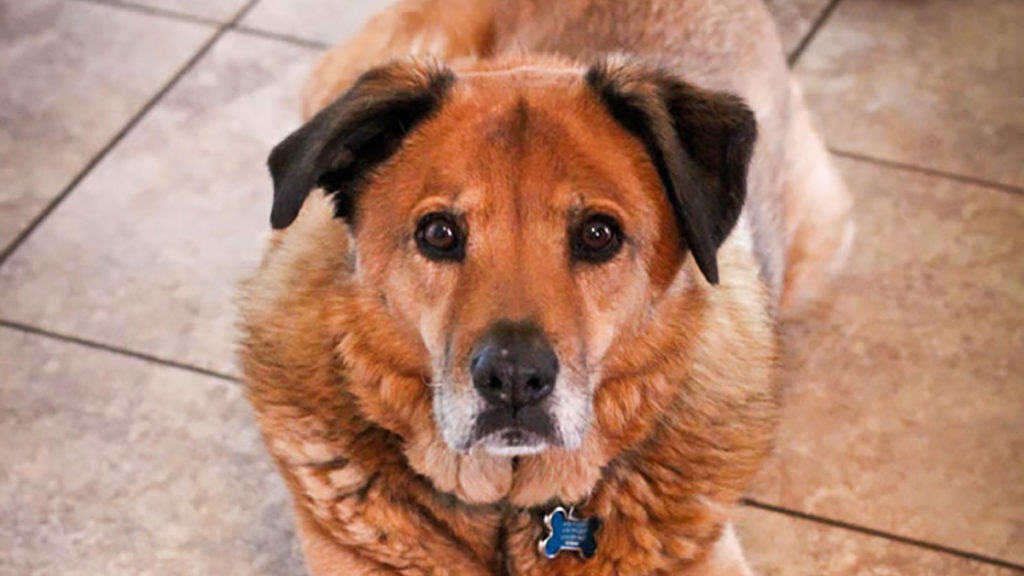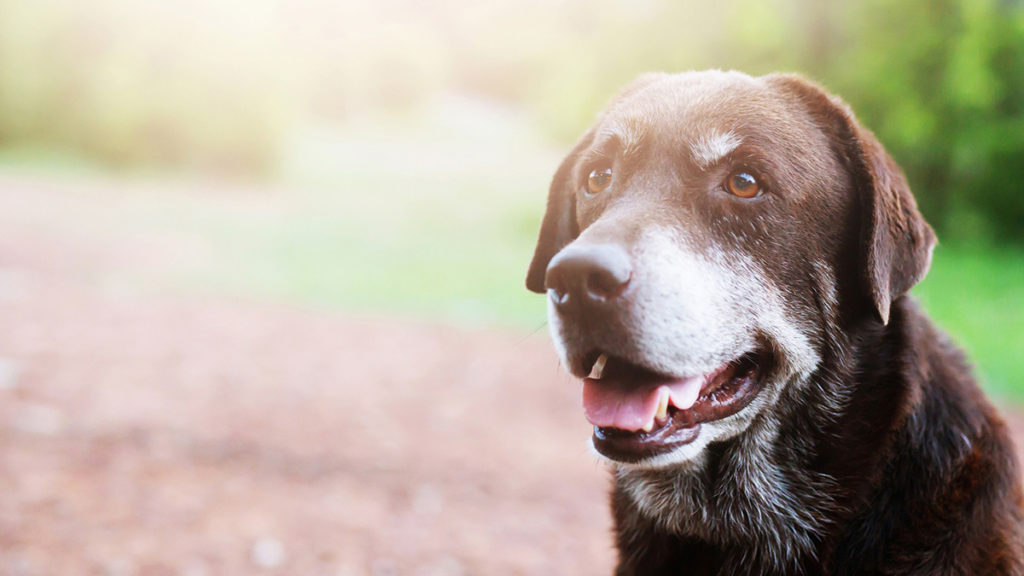

It is 2:13 AM. The rest of your Atlanta neighborhood is fast asleep, but inside your home, the house is active. Perhaps your thirteen-year-old Golden Retriever is pacing the hallway, panting slightly, or your senior cat is staring blankly at a corner of the living room, vocalizing in a way that sounds heartbroken.
Seeing a longtime companion look “lost” in the home they have known for years is emotionally heavy. It is normal to feel a mix of worry, exhaustion, and a deep desire to comfort them. You might be wondering if this is just “old age” or something more specific. If these behaviors spike as the sun goes down, your pet may be experiencing “Sundowners Syndrome.”
The “Why”: Cognitive Changes and Body Clocks
“Sundowning” is not a disease itself, but a collection of symptoms often associated with Cognitive Dysfunction Syndrome (CDS). Think of CDS as the pet equivalent of Alzheimer’s disease or dementia in humans.
As our pets age, their internal biological clocks (circadian rhythms) can shift. The American Animal Hospital Association (AAHA) notes that senior pets often experience a reversal in their sleep-wake cycles. This means they might sleep deeply while you are working during the day, only to become restless and anxious just as you are ready to turn in for the night.
Veterinarians often use the acronym DISHAA to help owners track these changes. If you notice these signs, it is time to start a conversation with your vet:
- Disorientation: Getting stuck behind furniture or staring at walls.
- Interactions: Changes in how they greet you or other pets (becoming clingier or more distant).
- Sleep/Wake Cycles: Restless nights and sleepy days.
- House Soiling: Accidents in a previously potty-trained pet.
- Activity: Aimless pacing or wandering.
- Anxiety: Increased panting, vocalizing, or fear.
Furthermore, aging pets often experience a decline in vision and hearing. As evening shadows lengthen, familiar environments can suddenly look strange or threatening to a pet with cataracts or hearing loss, contributing to that nighttime anxiety.
Actionable Tips: Creating a “Safe Harbor”
While cognitive decline is a progressive condition, you can make specific changes to your home and routine to help your pet feel grounded.
Illumination and Environment
To combat the confusion caused by fading vision, consider adding night lights to hallways and near water bowls. A well-lit path can reduce the anxiety of navigating the dark. Ensure they have a supportive, orthopedic bed in a draft-free, quiet corner of the house. Senior pets need extra support for their joints to settle comfortably.
Enrichment and Mental Health
Mental stimulation is vital for aging brains. Fear Free Happy Homes recommends using food puzzles or snuffle mats to provide mental “exercise” without physical strain. Engaging your pet in these gentle activities during the day can help tire their brain out naturally, potentially leading to better sleep at night. However, try to keep play low-impact and finish it well before bedtime to allow their system to wind down.
The Importance of Routine
Pets with cognitive issues thrive on predictability. Try to keep meal times, medication schedules, and final potty breaks at the exact same time every day. This structure provides a sense of security. You might also explore calming aids; pheromone diffusers (like Feliway for cats or Adaptil for dogs) can help lower baseline anxiety in the home.
Navigating Georgia’s Shorter Days
Here in Atlanta, we know how drastically the daylight shifts. In the winter, the sun can dip behind the tree line as early as 5:30 PM. This early darkness can trigger sundowning symptoms much earlier in the evening than you might expect.
To help regulate your pet’s melatonin production naturally, try to get them some natural light exposure during the day. A gentle mid-day walk on the BeltLine or simply some “porch time” in a sunny spot in the backyard can help reset their internal clock.
Consult Your Veterinarian
Before assuming these changes are strictly behavioral, it is critical to visit your primary care veterinarian. The American Animal Hospital Association emphasizes that many “behavioral” issues in seniors are actually rooted in physical pain. Arthritis, dental disease, or urinary tract infections can cause nighttime restlessness that looks like sundowning. A “senior workup” can rule out pain and allow your vet to discuss supplements or medications that support brain health.
A New Chapter of Care
Navigating cognitive decline is one of the harder parts of loving a senior pet, but you are not failing them. By noticing these changes and seeking information, you are already providing excellent care. With patience, a few environmental tweaks, and the help of your veterinary team, you can help your old friend find their way back to a restful night’s sleep.
Heron’s Crossing provides end-of-life care for pets in the Metro Atlanta area. In-home appointments with compassionate vets are available. If you’d prefer a home-like setting away from your home, our Decatur office is also available by appointment.