Have you ever been snuggling with your cat, scratching them under the chin, and noticed something that looks a bit like dirt? Maybe you tried to brush it off, thinking they were just messy with their dinner or perhaps got into a dusty corner of the house.
If that “dirt” doesn’t wipe away easily, your feline friend might be dealing with feline acne.
While the term “acne” might bring back memories of high school for us humans, in cats, it is a very common skin condition that is usually easily managed. At Heron’s Crossing, we want to help you keep your pet comfortable and happy in their daily life. Let’s solve the mystery of those little black specks and look at the simple changes that can clear up your kitty’s complexion.
What Does Feline Acne Look Like?
Feline acne usually appears on the chin and sometimes the lower lip. To the naked eye, it often looks like “flea dirt” (flea waste) or simple garden soil. You might see:
- Small black specks or “blackheads” (comedones)
- Redness or slight swelling of the chin
- Crusting on the fur around the mouth
It can happen to any cat, regardless of breed or age. While it might look a little unsightly, mild cases don’t usually bother the cat too much. However, if left untreated, it can become itchy or painful.
The Surprising Culprit: Plastic Food Bowls
While stress, grooming habits, and allergies can play a role, one of the most common triggers for cat acne is something you likely use every day: plastic food and water bowls.
Plastic is a porous material. Over time, even with good scrubbing, plastic bowls develop microscopic scratches and crevices. These tiny scratches become hiding spots for bacteria and oils from food. When your cat eats or drinks, their porous chin skin rubs against these bacteria-harboring edges.
In the warm Atlanta climate, bacteria can thrive even faster, turning that favorite food bowl into a source of irritation for your pet’s skin.
The Simple Fix for Clearer Skin
The good news is that solving this issue is often as easy as a quick shopping trip or a look through your own cupboards. To help clear up the acne and prevent it from coming back:
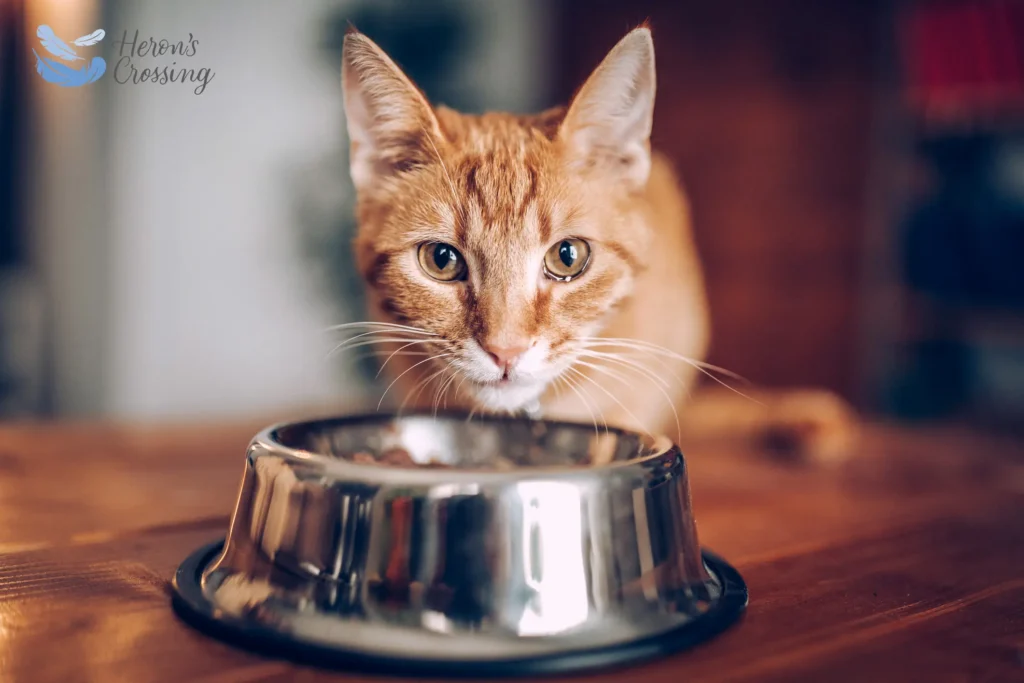
- Switch Materials: Swap out plastic bowls for stainless steel, ceramic, or glass. These non-porous materials are much harder for bacteria to cling to.
- Wash Daily: Just like we wouldn’t want to eat off a dirty plate, our cats need fresh dishes, too. Wash food and water bowls with hot, soapy water every day (or run them through the dishwasher) rather than just topping them off.
- Use Wide Bowls: Some cats experience “whisker fatigue” or rub their chins more on deep bowls. A wide, shallow dish (or even a saucer) can prevent their chin from rubbing against the sides and collecting food particles.
Do’s and Don’ts of Home Treatment
If you have already switched the bowls and your cat still has some black specks, you can help speed up the healing process with a little gentle home care.
Do:
- Keep it clean: Gently clean the chin area with a warm, damp cloth.
- Use vet-approved wipes: Ask your veterinarian if a specific medicated wipe (often containing chlorhexidine) is right for your cat.
- Apply a warm compress: If your cat tolerates it, a warm washcloth held to the chin for a minute can help soothe the pores.
Don’t:
- Scrub hard: The skin on the chin is sensitive. Scrubbing can cause more irritation.
- Pop the bumps: Never try to squeeze or pop the blackheads. This is painful for your cat and can drive the infection deeper, potentially causing a much worse problem (furunculosis).
- Use human acne medication: Products made for humans (like benzoyl peroxide) can be too harsh or toxic for cats. Always stick to products approved for pets.
When Is It Time to Visit the Vet?
Most cases of mild chin acne clear up with a change in bowls and better hygiene. However, sometimes secondary bacterial infections occur that require professional help. We know navigating Atlanta traffic isn’t fun, but a trip to your primary care vet is necessary if you notice:
- Significant swelling or bleeding on the chin.
- Pustules (bumps filled with pus).
- Your cat scratching or rubbing their chin against furniture frequently (indicating pain or itchiness).
- Hair loss around the chin area.
Your veterinarian can prescribe specific antibiotics or ointments to get your cat feeling comfortable again.
We love seeing your pets happy, healthy, and looking their best. A simple switch from plastic to ceramic might be all it takes to keep those chin scritches feeling good for everyone!
Heron’s Crossing provides end-of-life care for pets in the Metro Atlanta area. In-home appointments with compassionate vets are available. If you’d prefer a home-like setting away from your home, our Decatur office is also available by appointment.