On a sticky, humid Atlanta August afternoon, you might notice your senior pet sniffing their evening kibble and walking away. As pets age, their appetite can fluctuate, leaving owners searching for a wholesome, comforting way to entice them back to the bowl. It is completely natural for older dogs and cats to experience a dip in their enthusiasm for food, especially when the Georgia heat is at its peak. When this happens, many pet parents turn to bone broth as a nutritional boost. While this savory liquid holds wonderful benefits, there are a few common misconceptions surrounding how to use it safely.
Understanding Bone Broth: Myths vs. Facts
To make sure we are doing the best for our gray-muzzled companions, it helps to clear up a few misunderstandings about this popular addition to the food bowl.
Myth: Any store-bought bone broth from the grocery aisle is safe for pets.
Fact: Commercial broths made for humans often contain dangerous ingredients.
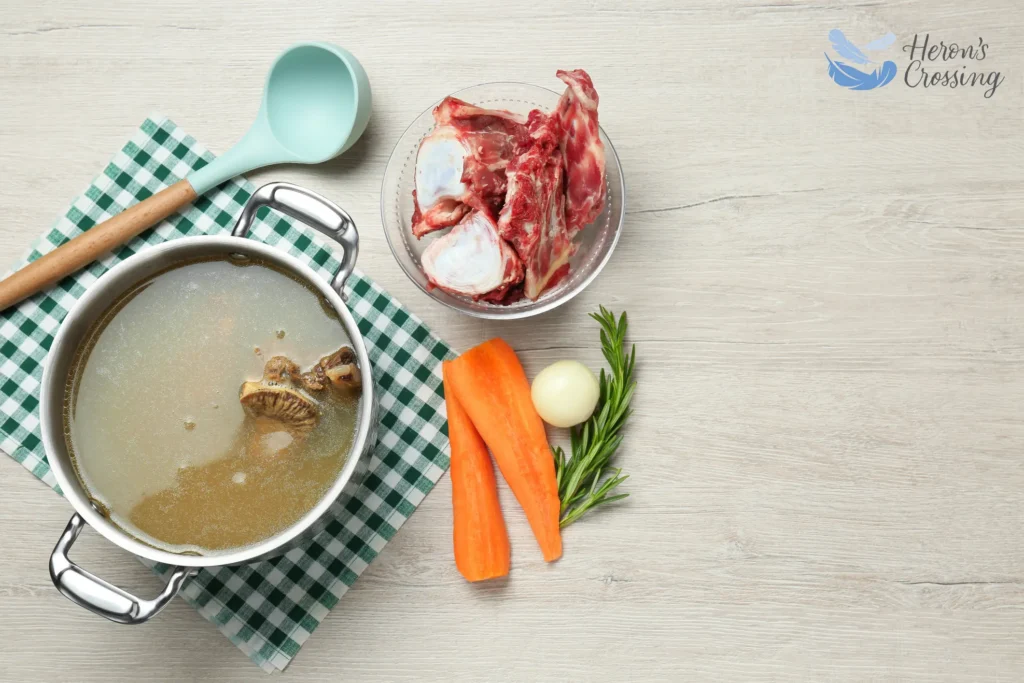
When you browse the soup aisle at your local Atlanta grocery store, you will find dozens of convenient bone broth options. However, according to the American Veterinary Medical Association (AVMA), these products are typically heavily loaded with sodium to suit human tastes. More importantly, they are frequently simmered with onions and garlic. The experts at Veterinary Partner emphasize that onions and garlic are highly toxic to both dogs and cats, capable of causing serious damage to their red blood cells. To keep your companion safe, always choose a specially formulated pet-specific broth from your local pet supply shop, or whip up a plain, unseasoned homemade version right in your own kitchen.
Myth: Bone broth is a cure for advanced canine or feline arthritis.
Fact: Broth provides wonderful joint support, but it cannot replace medical care.
It is true that bone broth is naturally rich in collagen, glucosamine, and chondroitin, which are the literal building blocks of healthy joint cartilage. While these nutrients are fantastic for supporting overall joint health and keeping tissues supple, bone broth is a supportive comfort measure rather than a medical cure. If your older cat is hesitant to jump onto their favorite window perch, or your senior dog is slowing down on your daily neighborhood walks, it is essential to consult your primary care veterinarian. They can help you design a comprehensive, medical pain management plan tailored to your pet’s specific needs, ensuring they stay comfortable and mobile.
Simple Ways to Serve Bone Broth
Adding this nutrient-dense liquid to your pet’s routine is incredibly simple, and you do not need to be a gourmet chef to make it an exciting treat. Here are two easy ways to serve it to your senior companion:
- The Warm Topper: Gently warm a few tablespoons of pet-safe bone broth until it is lukewarm—never hot. Pour it directly over your dog or cat’s regular kibble. The warmth helps release rich, savory aromas that can stimulate a fading appetite and tempt even the pickiest senior pets back to their bowls.
- The Frozen Pupsicle: Atlanta summers can be intense for older animals. Try pouring the broth into ice cube trays and freezing them. After a short, gentle backyard stroll, offer your dog one of these frozen cubes. It is a highly hydrating, low-calorie cooling treat that provides a fun mental distraction.
A Small Win for Your Companion
Nourishing your senior pet during their golden years does not always require grand, complicated gestures. When the humidity rises and their energy dips, sometimes a simple, thoughtful addition to their routine is exactly what they need. Adding a warm splash of savory broth to their bowl is an easy way to bring comfort, hydration, and a happy, wagging tail right back to the kitchen.
Heron’s Crossing provides end-of-life care for pets in the Metro Atlanta area. In-home appointments with compassionate vets are available. If you’d prefer a home-like setting away from your home, our Decatur office is also available by appointment.